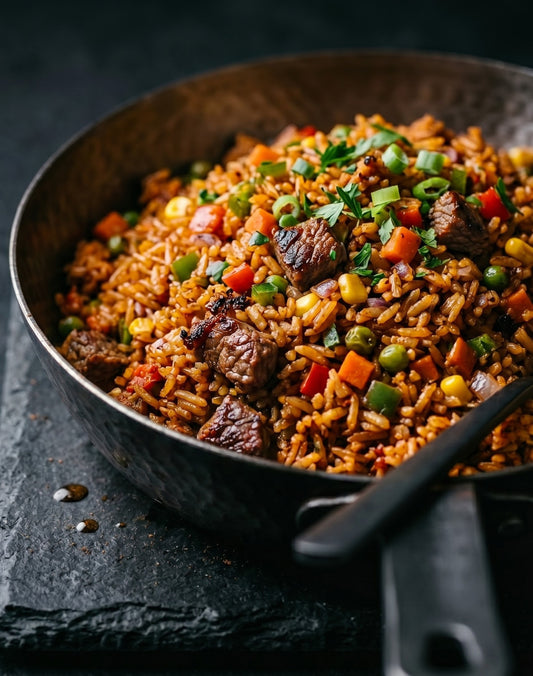
EBESSE began in the kitchen of the founder’s mother, where cooking was approached with patience, precision, and care. From a young age, the founder learned to observe not only recipes, but the way flavours are built slowly and deliberately. Ingredients transformed depending on how they were handled: dried or fresh, ground or minced, blended, sautéed, fried, or boiled. Every choice shaped the depth, aroma, and character of a dish.
Honoring Traditions and Origins
Those early lessons became the foundation of EBESSE, but the learning continued across borders. Time spent in Togo and Ghana brought deeper exposure to local markets, family kitchens, street food, and regional culinary traditions. Alongside home cooks, vendors, and chefs, she observed how ingredients were respected, how flavours were layered, and how dishes carried meaning beyond the plate itself.
Across the region, certain foods revealed how culinary traditions remain connected while still preserving their origins. Ema Kume in Togo and Banku in Ghana may differ in name and slight preparation, yet are still recognized as part of the same culinary lineage. The same can be seen in Suya and grilled meat traditions rooted in Hausa cooking but enjoyed widely across West Africa.
These experiences continue to shape EBESSE.
A Bridge Between Generations and Cultures
EBESSE exists as a bridge between generations, kitchens, and traditions — carrying flavours shaped by memory, movement, and care into modern everyday cooking. Each product reflects the depth of culinary knowledge passed down, the precision required to balance traditional ratios, and the belief that authentic West African flavour should be accessible to everyone, everywhere.